 listicle
Benefits of Heated Bathroom Floors: Comfort & Value
Table of Contents
- Why Heated Bathroom Floors Transform Your Daily Routine
- Thermal Comfort and Spa-Level Experience
- Energy Efficiency and Long-Term Cost Savings
- Electric vs Hydronic Floor Heating: Which System Suits Your Home
- Best Flooring for Radiant Heat: Tile, Stone, and Beyond
- Radiant Floor Heating Installation Cost and ROI
- Installation Timeline and Maintenance Realities
- Frequently Asked Questions
Last Updated: September 28, 2026
Why Heated Bathroom Floors Transform Your Daily Routine
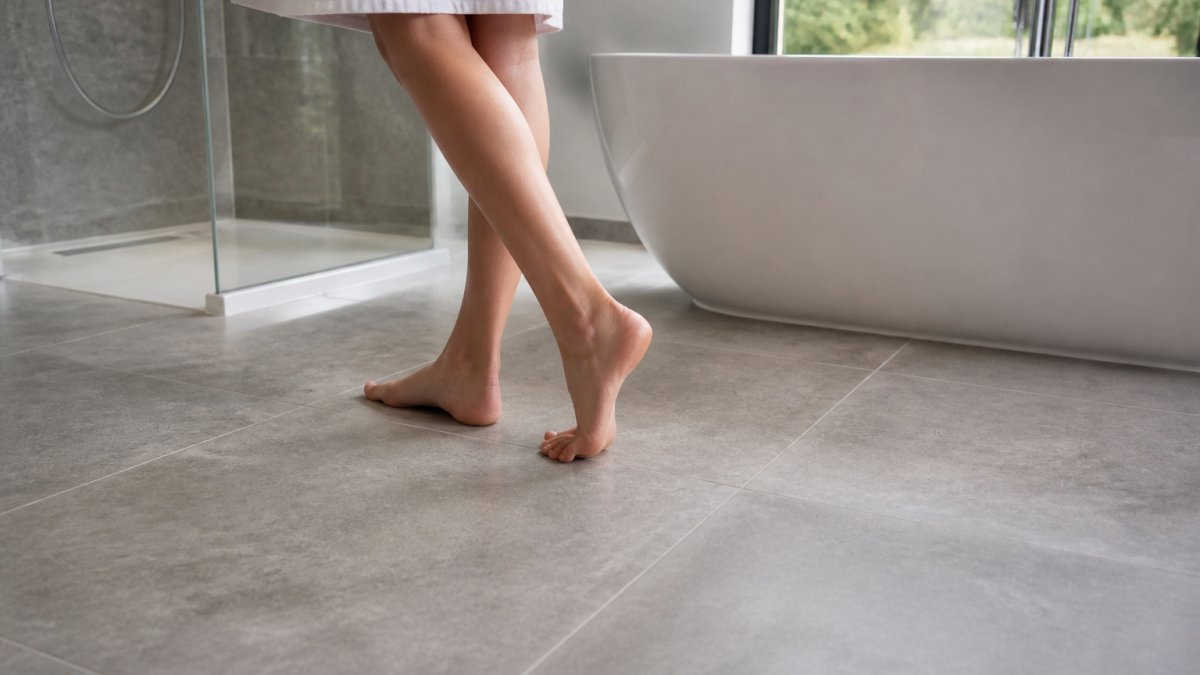
Heated bathroom floors deliver thermal comfort that goes far beyond luxury. When you step onto a warm tile surface on a cold morning, muscle tension eases, circulation improves, and that spa-level comfort sets a different tone for your day. Heated bathroom floors deliver thermal comfort that goes far beyond luxury. When you step onto a warm tile surface on a cold morning, muscle tension eases, circulation improves, and that spa-level comfort sets a different tone for your day.
Heated bathroom floors solve multiple problems at once: they eliminate cold spots, dry floors faster after showers (reducing slip hazards and moisture damage), work silently with virtually no maintenance, and use less energy than forced-air systems.
Thermal Comfort and Spa-Level Experience
Warm floors trigger blood vessel dilation in your extremities, improve circulation, and reduce muscle tension (pubmed.ncbi.nlm.nih.gov). For people with arthritis, joint stiffness, or aging joints, this difference is transformative.

Unlike forced-air heating that creates drafts and uneven zones, radiant heat distributes evenly across the floor. You never step into a cold corner or feel sudden temperature drops, the ambient heat creates an environment designed for comfort.
This thermal consistency matters for bathroom routines. Morning showers become more pleasant, and post-shower moments no longer involve jarring transitions to chilly tile. For families with young children or elderly members, warm floors reduce slip risks from muscle shock.
Energy Efficiency and Long-Term Cost Savings
Radiant floor heating warms surfaces directly instead of heating air that rises and escapes. This eliminates wasted energy and delivers heat exactly where occupants are.
Electric radiant heating systems consume less energy than expected. The floor acts as thermal mass, retaining heat and reducing thermostat runtime. Programmable thermostats let you warm the bathroom only during peak-use times rather than maintaining constant heat.
Hydronic systems achieve higher efficiency but electric systems remain practical for most bathroom renovations because they require no boiler, no plumbing modifications, and no ongoing maintenance.
A bathroom heated radially for 3-4 hours daily can be cost-effective to operate. Forced-air systems waste energy heating unused space above head height, making radiant systems more efficient.
Electric vs Hydronic Floor Heating: Which System Suits Your Home
Electric radiant heating uses cables or mats installed beneath flooring. The system heats up within minutes and installation is straightforward: lay the mat, cover with thin-set mortar, then install tile or stone.
Hydronic radiant heating circulates warm water through tubing embedded in the floor. These systems take longer to heat but maintain warmth longer, making them ideal for larger spaces or whole-home installations.
| Aspect | Electric | Hydronic |
|---|---|---|
| Installation complexity | Simple, DIY-friendly | Requires professional plumbing |
| Heat-up time | 30-60 minutes | 1-2 hours |
| Operating cost | Moderate to high | Low to moderate |
| Maintenance | Essentially none | Annual inspection recommended |
| Best for | Bathrooms, renovations | Large spaces, new construction |
| Compatibility with existing homes | Excellent | Requires significant modifications |
For bathrooms, electric systems dominate because they're faster to install and require no plumbing modifications. Hydronic systems make sense for multiple rooms or new construction.
Restmark Renovations recommends electric systems for bathroom renovations because they deliver faster installation, eliminate boiler integration, and provide immediate comfort without water-based complexity.
Best Flooring for Radiant Heat: Tile, Stone, and Beyond
Tile and stone are gold standards for radiant floor heating because they have high thermal conductivity and transfer heat efficiently. Ceramic, porcelain, and natural stone all work excellently.
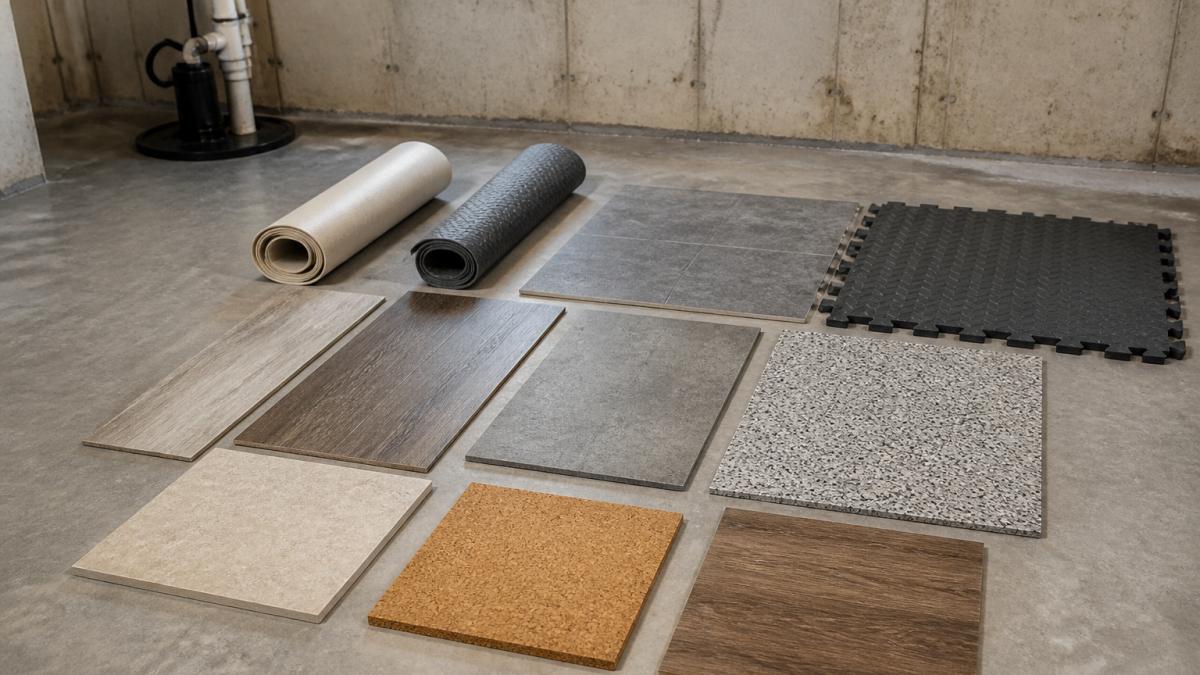
Engineered wood and laminate require lower floor temperatures to prevent warping. Luxury vinyl plank accommodates radiant heat with specific underlayment. Carpet and thick rugs block heat transfer and are poor choices for radiant floor heating bathrooms.
Tile remains the practical choice for bathrooms because it handles moisture, cleans easily, and transfers heat efficiently. Stone offers similar benefits with aesthetic advantages. Confirm any wood or vinyl product is rated for radiant heating.
Radiant Floor Heating Installation Cost and ROI
Installation costs for electric radiant bathroom floor heating vary depending on the scope of work, including materials, labour, and basic flooring preparation. Hydronic systems typically cost more upfront due to plumbing integration and boiler connection, but this premium applies mainly to whole-home installations rather than bathroom-only projects.
The cost breakdown matters because it shows where your investment actually goes. Heating mats or cable represent a portion of the total cost. Labour for installation, subfloor preparation, and thermostat wiring accounts for a significant part. Flooring removal and new tile or stone installation make up the remainder. If you're already planning a bathroom renovation and replacing flooring anyway, the marginal cost of adding radiant heating drops significantly because demolition and flooring work are already budgeted.
Long-term financial analysis reveals why heated bathroom floors outperform other bathroom upgrades. Energy operating costs for a typical electric system vary depending on thermostat settings and local electricity rates. Over a system lifespan, these operating costs are a factor to consider. Compare this to the cost of running a space heater and the radiant system can be cost-competitive or cheaper, especially when you factor in the space heater's limited coverage and safety risks.
Property value appreciation is where the real ROI emerges. Homes with premium bathroom features, heated floors, high-end fixtures, quality tile work, can command higher resale prices in competitive markets. Heated floor installations can contribute to that premium, particularly when combined with other bathroom upgrades. Real estate agents report that heated bathroom floors are increasingly mentioned as a selling point in property listings, signalling that buyers recognize the feature as a marker of quality and attention to detail.
The secondary financial benefits compound over time. Heated floors reduce moisture damage by drying bathroom surfaces quickly after showers, preventing the mold, rot, and subfloor deterioration that cost thousands to repair. They eliminate the need for separate towel warmers (typically $200-$600) or supplemental space heaters. They reduce the likelihood of slip-and-fall injuries, which carry liability and medical costs. Over 15-20 years, these avoided expenses often exceed the initial installation investment.
For homeowners staying in their current home long-term, the ROI calculation should focus on comfort and durability rather than resale value alone. The system will outlast most other bathroom components, tiles, fixtures, and finishes typically require updating within 15-20 years, but the radiant heating infrastructure, if properly installed, functions for 25-30 years or longer. This longevity means you're not just buying comfort for today; you're building a feature that will serve your family through multiple decades of daily use.
Installation Timeline and Maintenance Realities
Realistic installation timeline depends on whether you're retrofitting an existing bathroom or building new, and whether you're replacing flooring simultaneously.
Electric radiant system retrofit (most common scenario):
- Day 1: Remove existing flooring and inspect subfloor for damage or unevenness. If subfloor requires levelling or repair, add 1-2 days.
- Day 2: Install heating mat or cable, embed in thin-set mortar, and allow to cure (4-6 hours minimum).
- Day 3: Install new tile or stone flooring and grout. Allow grout to cure (24-48 hours before water exposure).
- Day 4: Install thermostat, connect electrical components, and test the system.
- Day 5 (if needed): Final inspection and any touch-ups.
Total: 3-5 working days for a standard 10-square-meter bathroom, assuming no subfloor issues and no delays in material delivery.
Hydronic system installation takes 5-8 days because it requires plumbing integration, boiler connection (if new), pressure testing, and system commissioning.
Common timeline extensions occur when:
- Subfloor inspection reveals rot, water damage, or significant unevenness (adds 2-3 days for repair and drying).
- Existing plumbing or electrical conflicts require rerouting (adds 1-2 days).
- Tile or material delivery is delayed (adds 3-7 days waiting time).
- Grout or mortar curing is extended due to cold or humid conditions (adds 1-2 days).
Thermostat malfunction: If the system won't turn on or maintain temperature, the thermostat is usually the culprit. Replacement can be a straightforward process. This is the most common "failure" and often the easiest to fix.
Frequently Asked Questions
Are heated bathroom floors energy efficient?
Yes. Radiant floor heating distributes warmth evenly across the surface, reducing heat loss compared to forced-air systems. Electric systems operate at lower temperatures than traditional radiators, cutting energy consumption. Smart thermostats with scheduling further optimize efficiency by heating only when needed. Actual savings depend on system type, insulation, and usage patterns.
Do heated bathroom floors increase home value?
Heated bathroom floors appeal to buyers as a luxury upgrade and are often associated with high-end renovations. While they don't guarantee a proportional increase in resale value, they enhance the property's perceived quality and can justify a premium in competitive markets. The real value lies in combining radiant heating with other modern finishes, tile upgrades, improved ventilation, and contemporary fixtures, as part of a cohesive bathroom renovation.
Can you install radiant floor heating under any type of tile?
Porcelain and natural stone tile conduct heat most effectively and are ideal for radiant systems. Ceramic tile works well too. Avoid large-format tiles without proper substrate support, as they may crack under thermal stress. Floor conductivity matters: dense materials transfer warmth efficiently to your feet. Consult your heating system manufacturer and installer about specific tile thickness and grout requirements before purchasing materials.
How much does it cost to run a heated bathroom floor?
Operating costs depend on system size, thermostat settings, and local electricity rates. A typical bathroom radiant heating system's monthly operating cost varies widely during winter months. Smart thermostats that lower temperature when the bathroom is unoccupied reduce expenses significantly. For precise estimates tailored to your home's size and local utility rates, contact a professional installer or request a quote from a renovation specialist.