 ultimate-guide
Why Bathroom Renovation Costs Vary: A 2026 Guide
Table of Contents
- What Drives Bathroom Renovation Costs
- Average Bathroom Renovation Cost by Project Scope
- Hidden Costs and Unexpected Structural Issues
- Bathroom Renovation Timeline and Labor Impact
- Regional Price Variations and Building Code Compliance
- How to Save Money on Bathroom Renovations
- Managing Your Bathroom Renovation Budget
- Frequently Asked Questions
Last Updated: October 2, 2026
What Drives Bathroom Renovation Costs
Bathroom renovation costs vary dramatically based on three core factors: materials, contractor expertise, and structural complexity. A basic cosmetic update costs significantly less than a full structural overhaul, but the difference isn't always obvious upfront.
Bathroom renovation costs depend on decisions made before construction begins: fixture choices, existing plumbing and electrical condition, and how much of the original structure needs replacement. Every project has a unique price tag.
Materials and fixtures selection
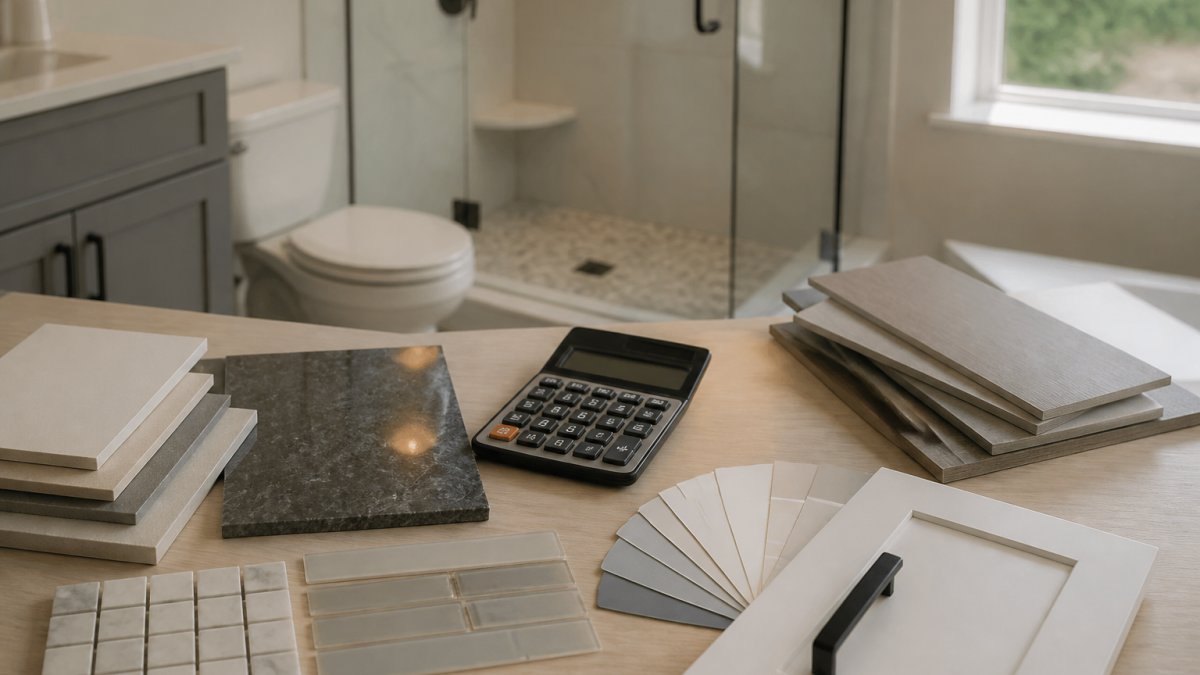
The materials you choose are often the biggest variable in your renovation budget. High-end ceramic tile costs substantially more than budget alternatives, and a custom vanity with integrated lighting runs circles around a standard cabinet. Faucets alone can range from basic models to luxury brands with premium finishes and smart features.
Match material quality to your home's vision. Mid-range renovations balance durability with cost. Eco-friendly upgrades like low-flow fixtures and water-efficient toilets cost more upfront but deliver long-term savings and meet modern building codes.
Finish quality affects labor time. Custom tile work requires more skilled installation than standard subway tile. Waterproofing behind tile adds cost but prevents costly water damage.
Labor rates and contractor expertise
A skilled contractor experienced in bathroom renovation costs will anticipate problems, manage timelines efficiently, and deliver lasting finishes.
A contractor with strong references, proper licensing, and transparent pricing typically charges more but saves money by avoiding costly mistakes.
Contractor markup on materials and subcontractor labor is standard practice. A quality contractor manages scope carefully, communicates changes upfront, and builds in contingency planning.
Average Bathroom Renovation Cost by Project Scope
The scope of your bathroom renovation determines the ballpark cost range. A small update focused on cosmetic changes differs fundamentally from a full remodel that touches plumbing, electrical, and structural elements.
Small bathroom updates versus full remodels
A small bathroom update, replacing fixtures, repainting, updating hardware, typically costs less than a comprehensive renovation. Work is faster, labor costs are lower, and unexpected structural issues are less likely.
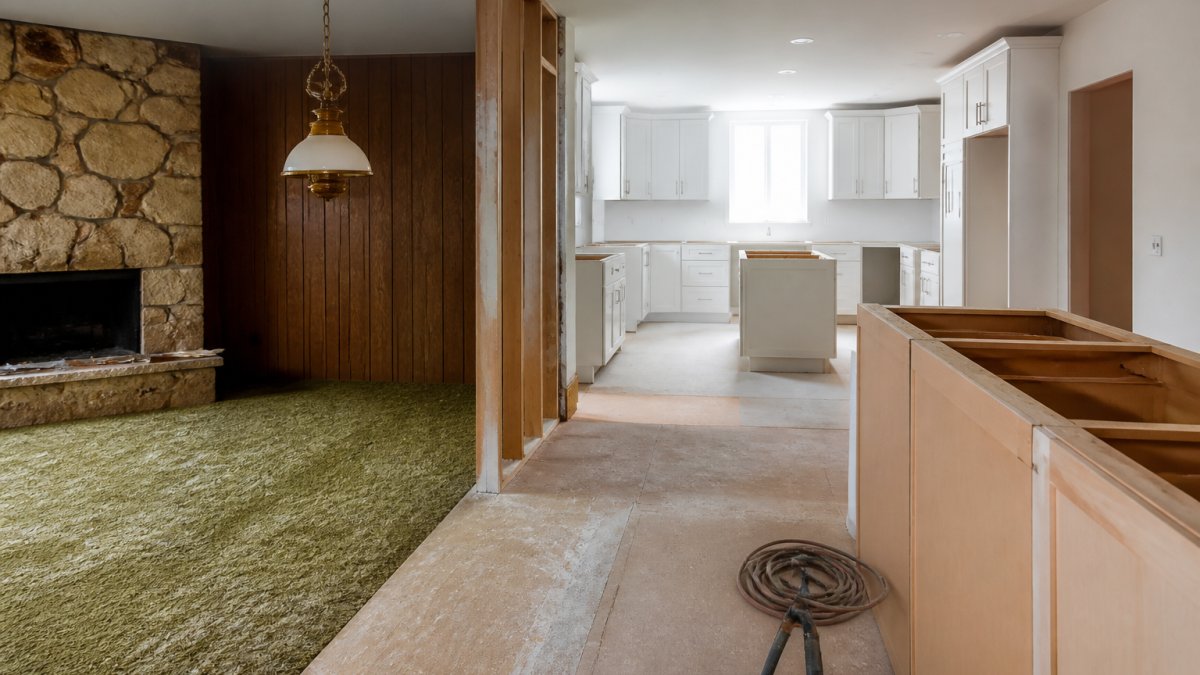
A full bathroom remodel involves demolition, subfloor repair, new plumbing rough-in, electrical updates, and waterproofing, where bathroom renovation costs escalate significantly.
A cosmetic update takes 2-4 weeks; a full remodel runs 8-12 weeks or longer depending on scope and material delays.
Mid-range versus high-end finishes
Mid-range bathroom renovations balance quality and cost with durable materials, skilled labor, and modern finishes.
High-end renovations prioritize premium materials and custom design. Custom cabinetry, natural stone, heated floors, and luxury faucets push costs higher and require specialized subcontractors and longer timelines.
Mid-range renovations typically recover 50-70% of costs through increased home value. High-end renovations may recover less as a percentage since luxury features appeal to fewer buyers.
Hidden Costs and Unexpected Structural Issues
This is where bathroom renovation costs surprise most homeowners. What looks straightforward during planning often reveals hidden problems once demolition begins.
Demolition, disposal, and permit fees
Demolition costs are frequently underestimated. Removing old fixtures, tile, drywall, and flooring generates substantial waste. Proper disposal, including hazardous materials like asbestos in older homes, adds expense that varies by local waste management fees.
Permit and inspection fees depend on your jurisdiction. Building permits ensure your renovation meets current codes and safety standards. These fees are non-negotiable and protect you legally.
Skipping permits to save money creates problems when selling. Buyers' inspectors flag unpermitted work, forcing remediation or significant price discounts.
Subfloor damage and waterproofing surprises
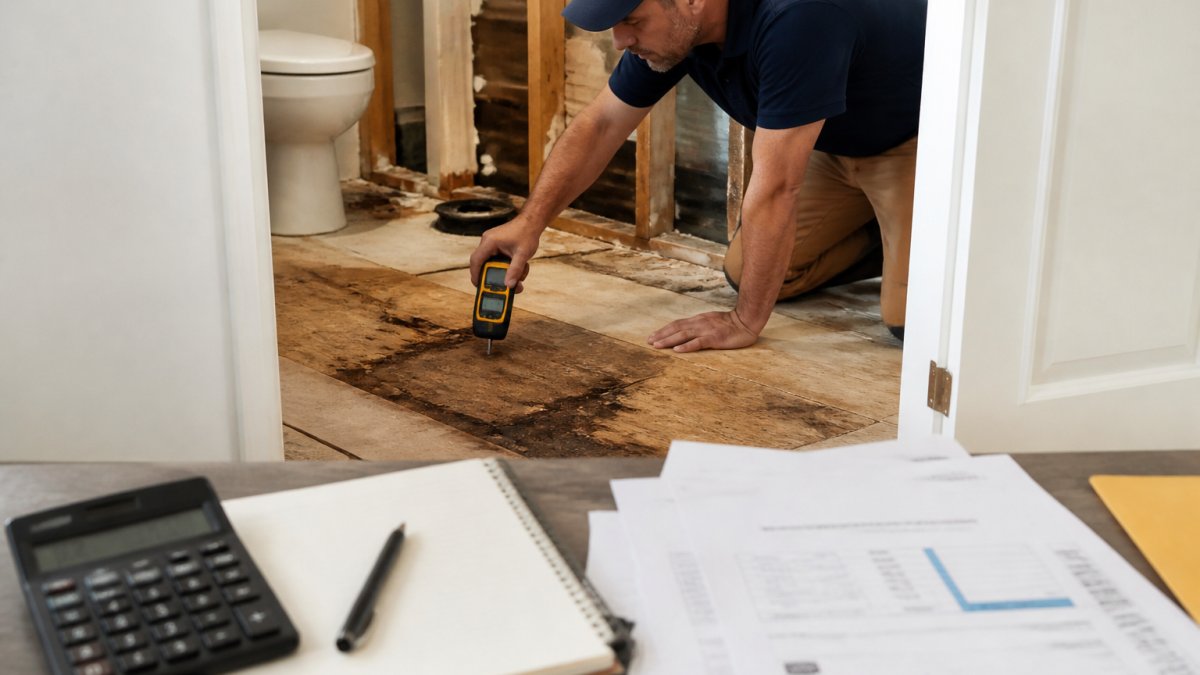
Demolition often exposes water damage, rot, mold, or structural deterioration requiring remediation before new flooring installs.
Waterproofing behind tile is critical but frequently done poorly in older bathrooms. Modern membranes prevent water penetration and mold growth.
Plumbing and electrical surprises emerge during demolition. Outdated wiring may need replacement to meet codes. Plumbing rerouting adds labor and material costs.
Bathroom Renovation Timeline and Labor Impact
How long your bathroom renovation takes directly affects labor costs and your daily life during construction.
Project duration and scheduling factors
A straightforward update completes in 3-4 weeks; a full remodel runs 8-12 weeks or longer depending on scope, material availability, and trade coordination.
A well-organized contractor coordinates trades to minimize delays. Poor coordination creates idle time and extended schedules.
Seasonal factors affect scheduling. Summer demand increases contractor rates and wait times. Planning during slower seasons sometimes reduces costs and accelerates completion.
Supply chain delays and material availability
Specialty tiles, custom fixtures, and premium finishes sometimes require extended lead times. A contractor must order materials early and manage inventory carefully to avoid delays.
Supply chain disruptions can extend timelines by weeks or months. Ask contractors about material availability and lead times before committing.
Changing material selections mid-project compounds delays. A contractor needs flexibility but also needs certainty.
Regional Price Variations and Building Code Compliance
Bathroom renovation costs vary significantly by region due to labor rates, material availability, building code stringency, local market conditions, and contractor demand.
Labor rate variations by region:
Labor represents 40-60% of total renovation cost, and rates differ substantially across provinces and urban versus rural areas. Major metropolitan areas command premium rates:
- Greater Toronto Area: Skilled bathroom contractors typically charge $65-$95 per hour or $8,000-$15,000 in labor for a full remodel. High demand and cost of living drive these rates higher than provincial averages.
- Vancouver and Lower Mainland BC: Similar to Toronto, ranging $70-$100 per hour. Material costs are also elevated due to shipping distances and import tariffs.
- Calgary and Edmonton: More competitive at $50-$75 per hour, with lower material costs due to regional supply chains and lower cost of living.
- Montreal: $55-$80 per hour, with French-language contractor networks sometimes offering slightly lower rates than English-speaking counterparts.
- Rural and smaller municipalities: $40-$60 per hour, but contractor availability is limited. Travel time and mobilization fees may offset hourly savings.
Building code compliance and cost impact:
Each province has its own building code with specific requirements for bathroom renovations. Compliance is mandatory and directly increases costs:
-
Ventilation requirements: All provinces require bathroom exhaust ventilation to prevent moisture and mold. Code-compliant exhaust fans must move a minimum cubic feet per minute (CFM) based on bathroom size. A 5×8 bathroom typically requires a 50-80 CFM fan. Installing ductwork to exterior (not into attic) adds $300-$600. Improper ventilation is a common code violation that inspectors catch.
-
Waterproofing standards: Modern building codes mandate waterproofing membranes behind all tile in wet areas. Ontario's building code, for example, requires either a liquid-applied membrane or sheet membrane meeting specific standards. Proper waterproofing adds $800-$1,500 to labor and materials but prevents water damage that could cost $5,000-$20,000 to remediate.
-
Electrical code compliance: All provinces follow the Canadian Electrical Code. Bathrooms require GFCI (ground fault circuit interrupter) protection on all outlets within 1.5 meters of water sources. Updating electrical rough-in to meet current code often requires new wiring, adding $1,000-$2,500 in labor and materials. Older homes with knob-and-tube wiring or outdated panels must be upgraded.
-
Plumbing code requirements: Drain slope, trap sizing, and vent stack placement are governed by provincial plumbing codes. Rerouting plumbing to accommodate new layouts must meet code, which sometimes requires larger diameter pipes or additional venting. This adds $1,500-$3,000 in labor and materials.
-
Accessibility standards: Some provinces (Ontario and BC particularly) are adopting universal design principles in building codes. Wider doorways, accessible shower thresholds, and grab bar blocking add cost but improve usability and future-proof your home.
Material availability and sourcing costs:
Regional supply chains affect material costs and lead times:
-
Specialty tiles and fixtures: Items imported from Europe or Asia face longer lead times in smaller markets. A custom Italian tile might take 8-12 weeks in rural areas versus 4-6 weeks in Toronto or Vancouver where suppliers maintain larger inventory.
-
Freight and shipping: Remote areas pay premium shipping on heavy materials like tile, stone, and fixtures. A $2,000 tile order might incur $300-$500 in shipping to a rural location versus $50-$100 in urban centers with local suppliers.
-
Local supplier relationships: Established contractors in mature markets negotiate better pricing with suppliers due to volume. A contractor in a smaller market may pay 5-10% more for the same materials.
Market demand and seasonal pricing:
Contractor availability and pricing fluctuate with local market conditions:
-
Hot real estate markets (Toronto, Vancouver, Calgary during boom periods) see higher contractor rates and longer wait times. Demand exceeds supply, allowing contractors to be selective about projects.
-
Slower markets sometimes offer more competitive pricing as contractors compete for work. However, fewer contractors may be available, limiting your choices.
-
Seasonal variation: Spring and summer see peak demand. Fall and winter often bring 10-15% discounts as contractor schedules open up and material suppliers offer promotions to move inventory.
Permit and inspection cost variation:
As detailed in the previous section, permit fees vary by province and municipality.
Understanding your specific regional context, labor rates, code requirements, material availability, and permit costs, allows you to build an accurate budget and avoid sticker shock.
How to Save Money on Bathroom Renovations
Smart decisions during planning phase reduce bathroom renovation costs without sacrificing quality or durability.
Smart material choices and eco-friendly upgrades
Mid-range tile and fixtures deliver professional results at reasonable cost. Avoid the cheapest options, they wear poorly. Premium finishes may not deliver proportional value unless your home and market demand justify them.
Eco-friendly upgrades cost more initially but deliver long-term savings. Low-flow fixtures reduce water consumption and utility bills. LED lighting uses less energy.
Refurbished or surplus fixtures offer quality at reduced cost. Salvage suppliers stock vintage and contemporary pieces at discounts.
Planning ahead and building contingency
Finalize all selections, tile, fixtures, finishes, layout, before demolition begins. Changes after work starts require rework, schedule adjustments, and premium pricing.
Build a 10-20% contingency fund into your budget for full remodels. Unexpected structural issues, code surprises, or material changes often consume this buffer.
Identify must-haves versus nice-to-haves. If budget tightens, you'll know what to cut without compromising functionality.
Managing Your Bathroom Renovation Budget
Transparent communication with your contractor is essential for budget control. A quality contractor provides detailed written estimates and flags potential cost drivers upfront.
Request a line-item breakdown showing materials, labor, permits, and contingency. A contractor unwilling to provide detailed estimates raises red flags.
Document any scope changes in writing with revised pricing before work proceeds. Verbal agreements about "small changes" often become expensive surprises.
Weekly check-ins let you ask questions, address concerns, and stay informed.
Bathroom renovations demand careful planning, realistic budgeting, and a contractor you trust.
Frequently Asked Questions
What factors contribute most to the cost of a bathroom renovation?
Material selection, labor rates, and project scope drive most bathroom renovation costs. Fixture choices (vanity, tile, shower enclosure) account for a significant portion of the budget, while skilled labor for plumbing rough-in, electrical wiring, and tile work represents another major component. Building permits and structural repairs, such as subfloor damage or waterproofing issues, can add substantial expenses. The complexity of your existing plumbing and electrical layouts also influences labor time and overall cost.
How much should I budget for a bathroom renovation in 2026?
Your budget depends on project scope, materials, and location. Small updates (fixtures and painting) cost less than full remodels involving new plumbing and electrical work. Mid-range renovations typically include quality fixtures and finishes, while high-end projects feature custom cabinetry and premium materials. Restmark Renovations offers transparent pricing and a free estimate to help you understand what your specific project will cost based on your home's current condition and your design goals.
Are there hidden costs to consider when renovating a bathroom?
Yes. Demolition and waste disposal fees, building permits, and inspection costs are often overlooked. Structural surprises, such as subfloor repair, plumbing rough-in modifications, or waterproofing work, can exceed initial estimates. Supply chain delays may increase material costs or project timelines. A contingency fund of 10-20% helps absorb these unexpected expenses. Working with an experienced contractor who identifies potential issues early reduces surprises and keeps your project on track.
How long does a bathroom renovation typically take?
Timeline varies by scope and complexity. Small updates may take 2-4 weeks, while full bathroom renovations typically require 6-12 weeks. Delays can occur due to permit approvals, material procurement, or structural issues discovered during demolition. Labor availability and contractor scheduling also affect duration. Restmark Renovations manages project timelines carefully to minimize disruption, with clear communication at each phase so you know what to expect.